

Peptides in your facial routine: why they are trending in 2026

Among all the skincare trends of 2026, one ingredient keeps coming up: peptides. You'll find them in serums, creams and eye treatments. They have become a highly valued option for anyone looking for visible results without being harsh on the skin. Here's what they are, why they're on the rise and how to add them to your routine.
What peptides are and what they do for the skin
Peptides are short chains of amino acids, the same building blocks that make up proteins such as collagen and elastin. Cosmetics use different types of peptides, each formulated for a specific goal: supporting firmness, improving the look of expression lines or helping skin hydration.
Why peptides are trending in 2026
They fit the skin longevity philosophy
The trend is no longer drastic correction, but keeping skin in good condition for longer. Peptides fit this preventive, long-term approach.
They suit sensitive skin
Some actives can be irritating if used incorrectly. Peptides, by contrast, are usually well tolerated, which makes them interesting for reactive skin or a weakened skin barrier.
They pair well with other actives
Peptides can be part of routines that include antioxidants, hyaluronic acid or retinoids, always following each product's directions.
How to add peptides to your routine
In the morning
After cleansing, apply a serum with peptide complexes to clean skin, such as Power Serum. Follow with moisturiser and always finish with sunscreen.
At night
Night-time is a good moment for richer products. An overnight treatment with peptides, such as Hydro-Lock Sleep Mask, helps complete your routine.
Eye area
The skin around the eyes is thinner and shows signs of fatigue sooner. Dedicated eye masks, such as PolyPeptide Collagel Eye, let you care for this area gently.
Common mistakes when using peptides
- Expecting instant results. Changes in how skin looks require consistent use over several weeks.
- Skipping sunscreen. No treatment makes up for daily unprotected sun exposure.
- Mixing too many products at once. If you introduce several new actives at the same time, it's hard to tell what works.
- Applying them to unclean skin. Gentle cleansing first helps any serum go on better.
Peptides at home and in the clinic
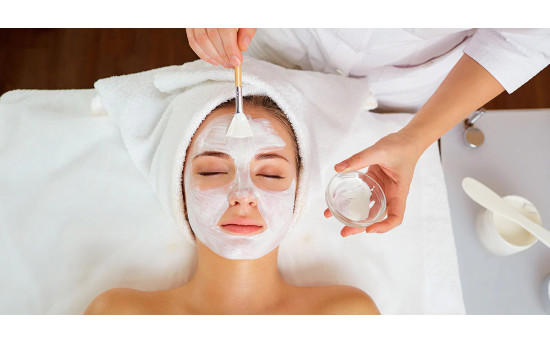
Combining professional treatments with home care is another big trend of 2026. In the clinic, a professional assesses the skin and carries out specific protocols. At home, your daily routine maintains and extends the results. Peptide products are a good bridge between the two.
Frequently asked questions
Can I use peptides every day?
Generally, yes. Most peptide products are designed for daily use: morning, night or both. Always follow the directions on the pack.
Do peptides replace retinol?
Not necessarily. They are different ingredients that can complement each other. If you're unsure how to combine them, ask a professional.
From what age are they recommended?
Peptides can be introduced at different stages, both preventively and for mature skin. What matters is choosing the formula that fits your skin's needs.
Conclusion
Peptides sum up where skincare is heading in 2026: science-backed actives, simple routines and long-term care. If you'd like to find out which HydroPeptide peptide products are right for you, our team will be happy to advise you.


