

Vitamin C and Sunscreen for Sensitive Skin | HydroPeptide

Sunscreen is a product that should be used daily, rain or shine, vitamin c benefits skin and we all know it. For those who do not have this habit, the proximity of the hottest seasons of the year is the ideal time to finally understand the need for the application of hydropeptide products. After all, what is the correct way to apply sunscreen?
There are several reasons for this statement:
- damage from vitamin c facial sunscreen is immediate, making skin red;
- also persist and damage genetic material causing aging and skin cancer. That way, the product is your most effective advocate.
The high prevalence of oily skin combined with the hot and humid climate, especially in the hottest regions of the country, means that people apply a thin layer of sun protection.
How and where should it be applied?
In the case of the face, it is necessary to apply a generous layer of anti-aging sunscreen until the entire area is covered. So, I must necessarily apply it and spread it over the face up to the hairline, also in the pre-auricular region, very close to the crease of the ear, without forgetting the neck, the nape of the neck, the ears. When I am exposed to the sun, like at the beach, swimming pool, walking, because they are areas that frequently suffer burns.
What? is sunscreen - vitamin c skin what is it for?
Vitamin C sunscreen should be chosen based on your skin type. Younger patients tend to have combination to oily skin, so light vehicle sunscreens such as serums or gels should be preferred. In some hydropeptide products there are substances that absorb excess oil such as silica, antioxidants in cosmetics. Patients with vitamin c properties, more mature skin, can use sunscreens with more moisturizing vehicles, says the dermatologist. Many hydropeptide products, in addition to protection against UV radiation, have antioxidants in their formula, which contribute to the treatment of photoaging. Patients with more sensitive skin should prefer mineral filters that are not absorbed by the skin, avoiding possible dermatitis. Patients using hydropeptide with melasma should opt for filters based on the extra protection against visible light.
Why? use filter or moisturizer with vitamin c and sunscreen?
Acute exacerbated exposure to solar radiation causes skin burns, it also depresses the immune system, predisposing to infections such as herpes simplex. Chronic exposure to solar radiation is the main risk factor for skin cancer and premalignant lesions. This exposure to vitamin C sunscreen for years accelerates the aging of the skin, causing spots and sagging. Sunscreen with vitamin C is the safest form of hydropeptide protection against solar radiation. Recent research found that the sunshade cannot block radiation and offers, at most, SPF 8. Being a type of radiation that passes through clouds, crystals and the epidermis and penetrates deep into the skin, up to the cells of the dermis, being the main producer of free radicals. From simpler lesions to, in more serious cases, skin cancer. UVB leaves the skin red and burned, damages the epidermis and is most abundant between 10 and 4 pm. That radiation can pierce the blockage of chemical filters and antioxidant sunscreens and increase the risk of cancer, dermatologists say.
I used sunscreen and my skin turned red. What? did i do wrong?
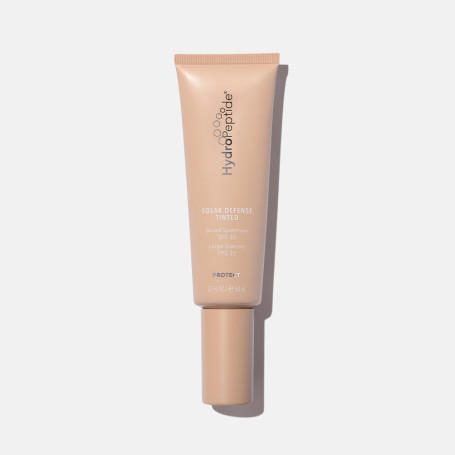
If I applied the I used a tinted antiaging sunscreen and my skin turned red, probably not an application error. It is probably a product formulation error. It has no photostability, so the sun destroyed it. the product quickly, says the pharmacist. Ideally vitamin c and sunscreen like one of the best sunscreens should have 12 hours of protection, the maximum amount of sun we get in a day (assuming it rises at 6am and sets at 6pm). If you had a factor of 10 applied right, it would absorb 90% of the radiation. But no one uses factor 10 anymore, so if you used factor 30, 40, 50 and your skin turned red, the problem isn't you: it's the formula. We know people don't reapply better anti-stain sunscreen, so it's very important to choose products with 12-hour hydropeptide protection, concludes the pharmacist.
Conclusions
Sunscreen, a hydropeptide product that should be used daily, rain or shine, and we're all aware of that. But for those not yet in the habit, the approach of the hottest seasons of the year is the ideal time to finally understand the need for your hydropeptide application. There are several reasons for this: sun damage to the skin is immediate, causing redness; In addition, it persists and damages the genetic material, which causes premature aging and skin cancer. In this way, the hydropeptide product becomes our most effective advocate. The high prevalence of oily skin, combined with a hot and humid climate, especially in the hottest regions of the country, means that people tend to apply a thin layer of sun protection.
In the case of the face, it is necessary to apply a generous layer of sunscreen with vitamin C until the entire area is covered. It is important to apply it and spread it all over the face up to the hairline, also including the pre-auricular region, near the crease of the ear, not to mention the neck, nape of the neck and ears when we are exposed to the sun, such as at the beach, swimming pool or when walking, since these are areas that tend to burn.